How to Prevent Wasps From Nesting Around Your Home
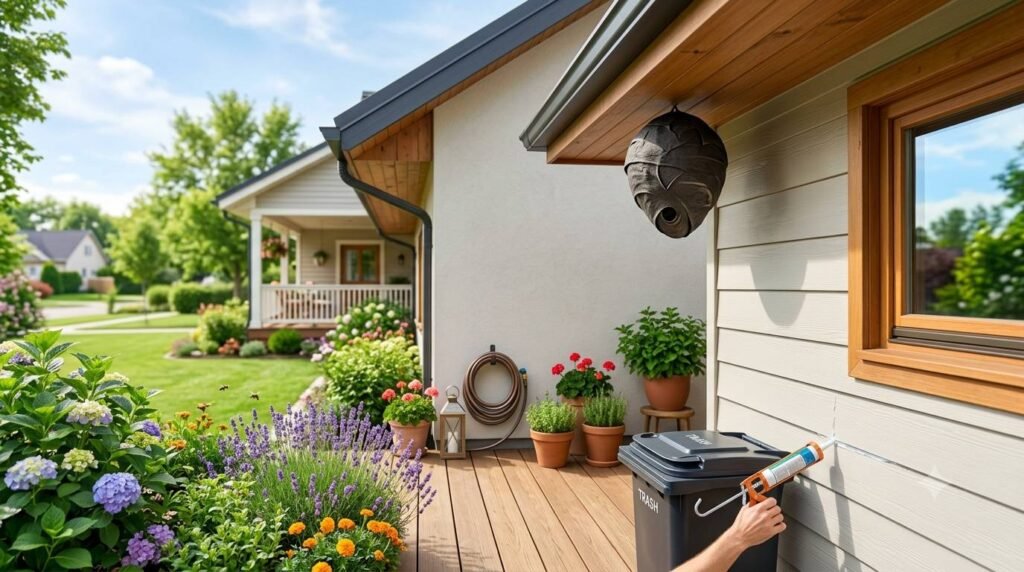
As temperatures rise, wasps become far more active and many homeowners start noticing them around gardens, roofs and outdoor seating areas. While a few wasps are usually nothing to worry about, a growing number can indicate a nearby nest.
Knowing how to spot the early signs and taking action before a nest becomes established can save time, money and unnecessary disruption. If you already suspect a nest is present, seeking professional wasp pest control in Essex is often the safest approach, particularly if the nest is difficult to reach or close to areas used by people.
Why wasps choose certain properties
Wasps look for sheltered locations that offer protection from the weather and predators. Roof spaces, sheds, garages, wall cavities and lofts all provide ideal conditions for building a nest.
Small gaps around roof tiles, air vents and damaged brickwork can give wasps easy access. Once a queen has chosen a suitable location, she begins building the nest during spring before the colony expands throughout the summer.
Simple ways to make your home less attractive
Preventing access is one of the most effective ways to reduce the likelihood of a nest developing.
Inspect your property for cracks, damaged soffits and loose roof tiles. Repairing these areas removes many of the entry points wasps rely on.
Keeping bins securely closed also helps, especially during warmer months when food waste attracts foraging insects. Fallen fruit should be cleared from gardens and sugary drinks should never be left uncovered outside for long periods.
Recognising the warning signs early
One of the easiest ways to detect a developing nest is by watching wasp activity.
If several wasps repeatedly fly to the same point under the roof, into a wall cavity or through a gap in an outbuilding, there is a good chance a nest is forming nearby.
Early in the season, nests are relatively small. Identifying them at this stage generally makes treatment more straightforward than waiting until late summer when colonies can contain thousands of insects.
What to avoid if you find a nest
Many people are tempted to block the entrance to a nest or spray it with products bought from a shop. Unfortunately, this can make the situation worse.
Blocking an entrance often causes wasps to search for another exit, which may lead them into living spaces. Disturbing an active nest also increases the risk of aggressive behaviour, particularly if the colony feels threatened.
If the nest is close to doors, windows or areas where children or pets spend time, it is best to avoid the area until it has been dealt with safely.
Seasonal checks that make a difference
A quick inspection each spring can help prevent larger problems later in the year.
Check sheds, garages and loft spaces before wasp activity increases. Look for small golf ball sized nests or signs of insects entering the same location repeatedly.
Regular maintenance around the outside of your property also reduces the number of sheltered spaces where queens are likely to settle. Combined with sensible waste management and routine inspections, these simple habits can significantly lower the chance of finding a nest during summer.
Wasps play an important role in the natural environment, but they can become a serious nuisance when they build nests close to homes. Spotting the warning signs early and carrying out basic maintenance can help prevent problems before they develop.
When a nest is already established, avoiding disturbance and arranging appropriate treatment is the safest way to protect your household while ensuring the issue is resolved effectively.