Cutting Summer Overheating in South-Facing Rooms Without Air Conditioning
South-facing rooms can turn into ovens on sunny summer days. Discover practical ways to cut the heat without air conditioning, from simple habits to external shading solutions that block the sun before it reaches your windows.
South-facing rooms capture the best of the light yet often suffer the worst of the heat. By mid-afternoon the temperature can climb uncomfortably high, making the space hard to use and raising energy bills if cooling is needed. The good news is that effective relief does not require air conditioning. A combination of external shading, smart ventilation and a few indoor adjustments can keep rooms noticeably cooler. External solutions such as garden awnings stop the sun before it hits the glass, reducing the heat that builds up inside. With the right approach, a bright south-facing room can stay pleasant even on the hottest days.
Understanding Why South-Facing Rooms Overheat
Glass allows sunlight to pass through and warm the surfaces inside. Once that heat is trapped, it is slow to leave. South-facing windows receive the strongest and longest exposure during the day, especially in summer when the sun is high. Dark furniture, floors and walls absorb and re-radiate the warmth, compounding the problem. Recognising this process helps target the most effective solutions: stop the sun outside, limit heat absorption indoors and encourage cooler air to move through the space.
Blocking the Sun Before It Enters
The most efficient way to reduce indoor heat is to intercept sunlight outside the building. External shading keeps the glass cooler and prevents the greenhouse effect from starting.
- Install external shading above windows or patio doors
Retractable garden awnings provide flexible cover that can be extended when the sun is strongest and retracted when more light is wanted. - Choose fabrics with strong UV and solar rejection
High-quality awning fabrics block a large percentage of solar radiation while still allowing soft light through. - Position the awning correctly
A well-projected canopy shades the glass during the hottest hours without permanently darkening the room. - Consider motorised or sensor-assisted operation
Automatic retraction in strong winds or rain protects the fabric and keeps the system practical for everyday use.
External shading works far better than internal blinds because the heat never enters the room in the first place.
Improving Natural Ventilation
Even with good shading, stale warm air needs an escape route. Cross-ventilation is the simplest method. Open windows on opposite sides of the house to create a gentle through-draught. Early morning and late evening are the best times to flush out accumulated heat. If the room has only one external wall, opening an internal door and a window further into the house can still encourage movement. Ceiling fans or portable fans help by moving air across the skin, creating a cooling sensation even when the air temperature stays the same.
Managing Heat Sources Inside the Room
Everyday items add unnecessary warmth. Switch off lights and electronics when not in use. Avoid using ovens, hobs or tumble dryers during the hottest part of the day. Close internal doors to unused rooms so cooler air is not wasted. Light-coloured curtains or reflective blinds can still help when external shading is not yet in place, but they should be drawn only while the sun is on the glass and opened again once it has moved.
Selecting and Positioning Garden Awnings Effectively
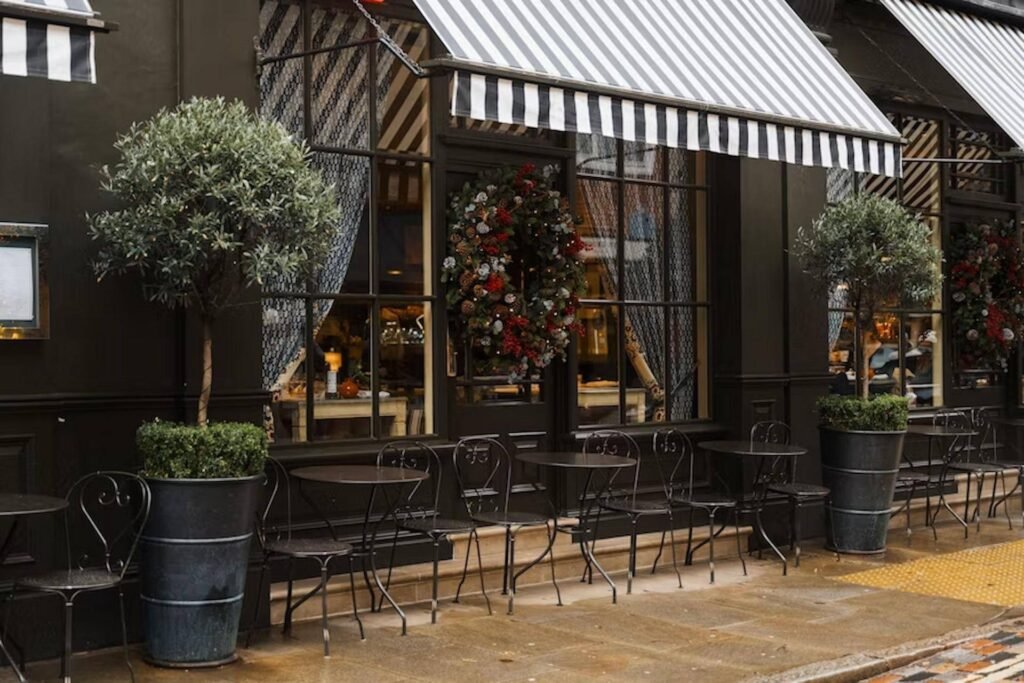
Garden awnings work particularly well above south-facing patio doors or large window banks. A retractable design allows precise control: fully extended for maximum shade at midday, partially open for softer light later in the afternoon. Look for weather-resistant fabrics and sturdy frames that suit the British climate. Professional measurement and installation ensure the awning projects far enough to shade the glass and is securely fixed to the building. Optional extras such as wind sensors and remote controls make daily use effortless and protect the investment.
Combining Methods for Best Results
No single measure solves overheating on its own. External shading reduces the solar load, ventilation removes the residual heat, and careful management of internal sources prevents new warmth from building up. Start with the highest-impact step—blocking the sun outside—then layer the other habits around it. Over a few warm days the difference becomes clear: the room stays usable longer, the air feels fresher and the need for any form of mechanical cooling drops significantly.
Maintaining Comfort Through the Season
Consistency matters. Extend shading early in the day before the glass has absorbed heat. Ventilate at the coolest times. Keep internal heat sources under control. With these habits in place, a south-facing room can remain comfortable for far more of the summer. Retractable garden awnings adapt easily to changing conditions, offering shade when needed and open sky when preferred. The combination of thoughtful design and simple daily routines delivers lasting relief without the cost or noise of air conditioning.
A cooler south-facing room is achievable with practical, low-energy steps. External shading forms the foundation, supported by ventilation and reduced internal heat gains. Garden awnings provide an elegant and effective way to stop the sun before it reaches the glass, helping the whole home stay more comfortable. By addressing the problem at its source, you create a brighter, cooler living space that works with the British summer rather than against it.