How Heated Towel Rails Compare to Standard Bathroom Radiators for Heat and Efficiency
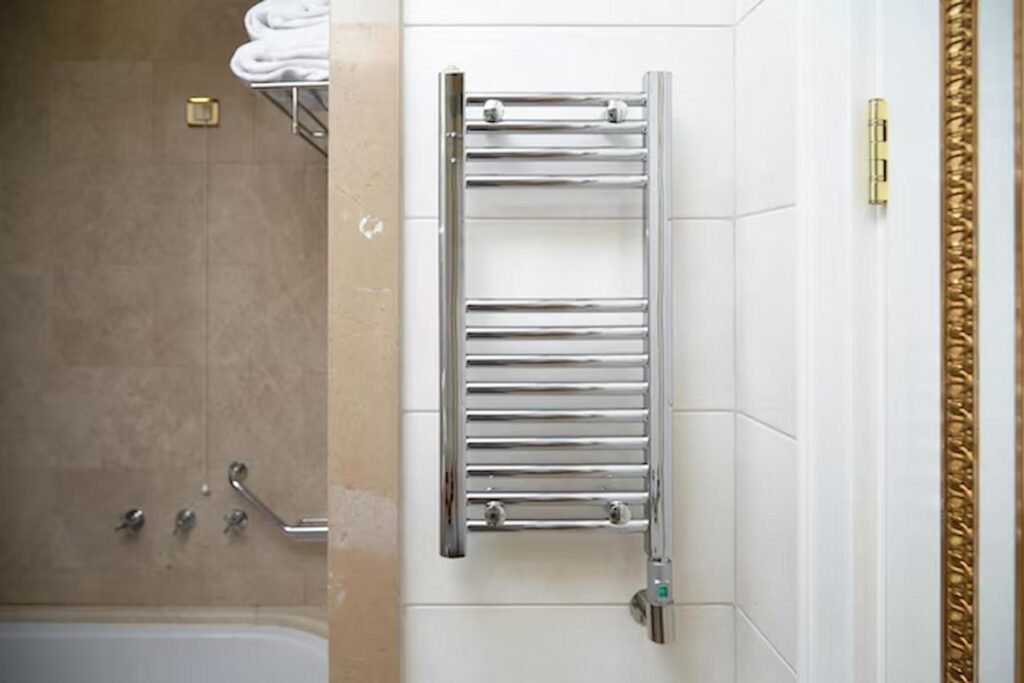
Stepping out of a refreshing shower into a chilly bathroom is a sharp awakening that most of us would prefer to avoid. When it comes to heating one of the most functional rooms in the home, the debate often settles between two heavyweights: the stylish, modern heated towel rail and the traditional, high-output panel radiator. While both serve the fundamental purpose of keeping the space warm, they operate with distinct levels of efficiency, heat output, and aesthetic appeal.
Choosing the right appliance isn’t just about looks; it is about understanding how your home’s heating system integrates with modern sustainability goals. As homeowners shift toward greener energy, understanding how low temperature radiators reduce carbon footprints has become a pivotal part of the conversation. By operating at lower flow temperatures, these systems require less energy to maintain a comfortable climate, a principle that applies to both high-efficiency towel rails and modern bathroom radiators designed for the UK’s evolving heating landscape.
Heat Output: Understanding the BTU Difference
The primary distinction between a standard radiator and a towel rail lies in their design intent. A standard radiator is engineered for maximum heat convection. With a larger surface area and often including internal fins, it is designed to heat the air in the room quickly and effectively. In contrast, a towel rail’s primary function is—unsurprisingly—to dry and warm towels. Because the bars are spaced out, there is less metal surface area to radiate heat into the room.
If you have a large, draughty bathroom in an older Victorian terrace, a small chrome towel rail might struggle to keep the ambient temperature comfortable during a British winter. However, in a well-insulated modern flat, a high-quality ladder rail can often provide more than enough warmth. It is essential to calculate the British Thermal Units (BTU) required for your specific room dimensions before making a purchase to ensure you aren’t left shivering.
Efficiency and Environmental Impact
Efficiency in the modern home is no longer just about the monthly gas bill; it is about the long-term viability of our heating choices. Many people are surprised to learn that the configuration of their emitters can significantly influence the efficiency of their boiler or heat pump. This is where the concept of how low temperature radiators reduce carbon comes into play again. By utilizing larger surface areas or more conductive materials, these units allow the central heating system to run more coolly while still delivering the necessary warmth, thereby burning less fuel and lowering emissions.
While standard radiators are often more efficient at heating a room quickly, towel rails offer a different kind of efficiency through “dual fuel” options. A dual fuel rail is connected to your central heating but also contains an electric element. This allows you to warm your towels in the summer without turning on the entire house’s heating system—a clever way to save energy and keep the bathroom dry during the humid months.
Material Matters: Chrome vs. Anthracite vs. Stainless Steel
The finish of your heating element isn’t just a stylistic choice; it directly affects heat emissivity.
- Chrome Finishes: These are incredibly popular in UK bathrooms for their sleek, clean look. However, chrome is a relatively poor conductor of heat. A chrome towel rail will typically produce about 20% to 25% less heat than a painted version of the exact same model.
- Painted Finishes (White or Anthracite): These are far more efficient at radiating heat into the room. If you are prioritising warmth over the “shiny” aesthetic, a matte black or classic white radiator is the superior choice.
- Stainless Steel: This is the gold standard for many. It doesn’t rust (vital in a damp bathroom), it retains heat for much longer than chrome, and it offers a premium feel that justifies the higher price point.
Practical Benefits of Heated Towel Rails
Beyond the technical specifications, towel rails offer lifestyle benefits that a standard panel radiator simply cannot match. They are the ultimate multitaskers of the plumbing world.
- Hygiene and Health: Damp towels are a breeding ground for bacteria and mould. A heated rail ensures towels dry quickly, reducing the “musty” smell and keeping the room more sanitary.
- Space Saving: Vertical towel rails take up very little floor space, making them ideal for en-suites and compact cloakrooms where a horizontal radiator would be intrusive.
- Organisation: They provide a dedicated place to hang linens, keeping the bathroom floor clutter-free.
- Ambient Comfort: There is a specific luxury in wrapping yourself in a warm towel that a standard radiator, which usually sits behind a door or under a window, cannot easily replicate.
Practical Benefits of Standard Bathroom Radiators
If your primary goal is sheer warmth and thermal comfort, the standard radiator remains the undisputed champion.
- Rapid Heat-Up Times: Because they are designed for convection, they circulate warm air around the room much faster than a rail.
- Higher BTU Ratings: For larger bathrooms (typically over 10 square metres), a standard radiator is often a necessity to meet the heat loss of the room.
- Cost-Effectiveness: Generally speaking, a standard compact radiator provides more “heat per pound” than a designer towel rail.
- Reliability: With fewer joints and a simpler design, high-quality steel panel radiators are incredibly durable and can last for decades with basic maintenance.
Installation and Maintenance Considerations
Both systems require a degree of maintenance to stay efficient. Bleeding your radiators annually is vital to remove trapped air, which creates cold spots and forces your boiler to work harder. In the UK, where hard water is common in many regions, using a high-quality inhibitor in your central heating fluid will prevent internal corrosion and “sludge” build-up.
When installing a towel rail, consider the “projection” from the wall. In a narrow bathroom, a bulky rail can become a hip-bruising obstacle. Many modern designs now offer “slimline” profiles that provide ample hanging space without jutting out too far into the room. For standard radiators, placing them under a window is the traditional approach to counteract dowraughts, though modern double-glazing has made this less of a strict requirement than it once was.
Making the Final Decision
Ultimately, the choice depends on your bathroom’s size and how you use the space. If you have a large family and a constant mountain of damp towels, a high-output towel rail—perhaps paired with underfloor heating—is the dream setup. If you have a large, high-ceilinged room that feels like an icebox in January, the raw power of a standard convector radiator is hard to beat.
Many homeowners are now opting for the “best of both worlds” by installing a compact designer radiator for the main heat source and a small electric towel loop specifically for the linens. This ensures the room stays toasty while the towels stay dry, all while keeping a keen eye on energy consumption and environmental responsibility.
Conclusion
In summary, choosing between a heated towel rail and a standard radiator involves balancing thermal requirements with lifestyle needs. Standard radiators offer superior heat output and rapid warming for larger spaces, while towel rails provide essential drying functionality and sleek, vertical aesthetics. By considering material finishes and heat requirements, you can create a comfortable, damp-free sanctuary. Both options can contribute to a more sustainable home when integrated into a modern system, ensuring your bathroom remains a warm, inviting, and energy-efficient part of your British home for years to come.