Why the Right Scan Can Change the Next Step in a Treatment Plan
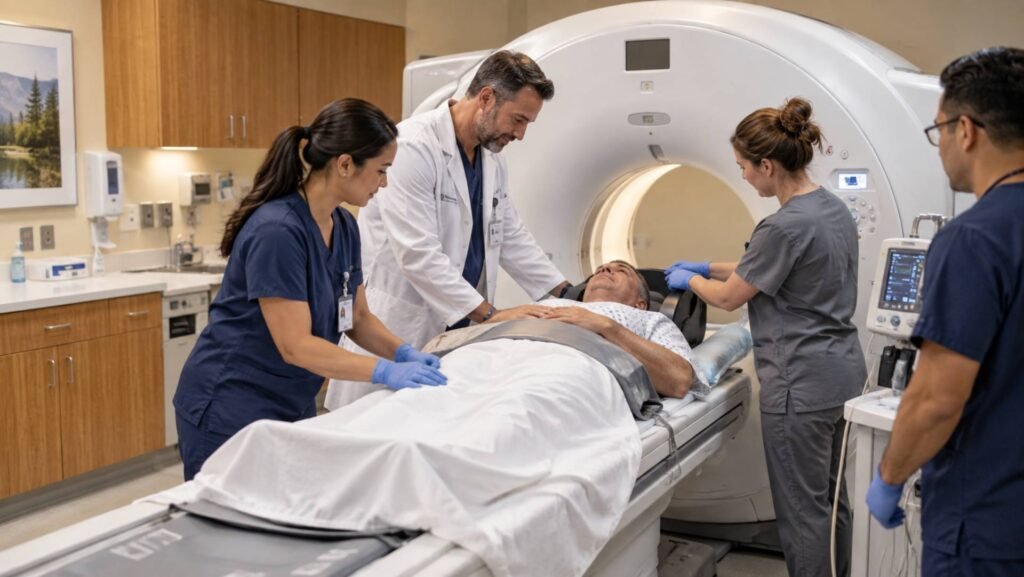
A scan is valuable when it answers a question that matters to the next clinical decision. The aim is not simply to create a detailed picture. The useful outcome is information considered with symptoms, examination findings and tests. Medical imaging services can contribute at several points in that process, from narrowing possible causes to helping clinicians plan or monitor care.
1. The scan can test a specific clinical idea
A referral usually begins with a question. A clinician may want to look for an injury, assess a joint, investigate an organ or understand an unexpected finding from another test. Choosing the imaging method around that question is important because x-ray, ultrasound, CT and MRI show different structures in different ways. A scan that is excellent for one purpose may add little for another.
2. Imaging can show detail that examination alone cannot provide
Physical examination remains important, but it cannot directly show many internal structures. Imaging may reveal information about bones, soft tissues or organs that changes how a clinician understands the problem. That does not mean every visible change explains the symptoms. The report must still be matched with the person’s history and examination before it becomes part of a treatment decision.
3. A result can prevent an unsuitable next step
Sometimes the value of imaging is in what it does not show. If the scan does not support the suspected problem, the treating clinician may reconsider the working diagnosis, choose another investigation or avoid a treatment aimed at the wrong issue. Medical imaging services therefore support decision-making even when the result is not a simple confirmation of the first idea.
4. The type of image can shape planning
Detailed information about location, size or surrounding structures may matter when a clinician is considering a procedure, specialist referral or rehabilitation plan. The exact effect depends on the condition and the scan. Imaging is one source of evidence among several, and it should not be used to promise that a particular treatment will work.
5. Follow-up imaging can answer a different question
A later scan is not always a repeat of the first one. In some situations, clinicians use imaging to assess change over time, check the position of a device or review a condition after treatment. The need and timing depend on the person’s circumstances. Routine repetition without a clear question may not add useful information, so patients can ask what a follow-up scan is intended to show.
6. The radiology report connects the image to clinical care
A radiologist is a specialist doctor who interprets medical images and prepares a report. The referring practitioner then considers that report with the rest of the clinical picture. A technical phrase in a report can sound alarming when read alone, while some findings may be common or unrelated to the current symptoms.
New information can also change the decision. Blood tests, changing symptoms or specialist review may alter which imaging question matters most. Scans are therefore best chosen as part of an active care plan, not as a general search for every possible cause.
7. Patient information can improve the usefulness of the examination
Medical imaging services can use accurate details about symptoms, previous imaging, operations and relevant health history to understand the question. Safety information is also important for tests such as MRI or examinations that may use contrast. Patients should follow the preparation instructions supplied for their specific appointment and raise concerns beforehand.
The “right scan” is therefore not simply the most advanced test available. It is the examination that is appropriate for the clinical question, performed safely and interpreted in context. When imaging provides information that changes what a clinician knows, rules out an option or clarifies planning, the next step in care can become more focused.