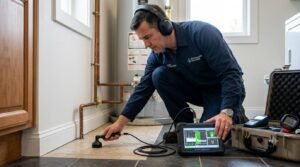
Radiator Not Working? A Room-by-Room Diagnostic Checklist Before You Call a Plumber
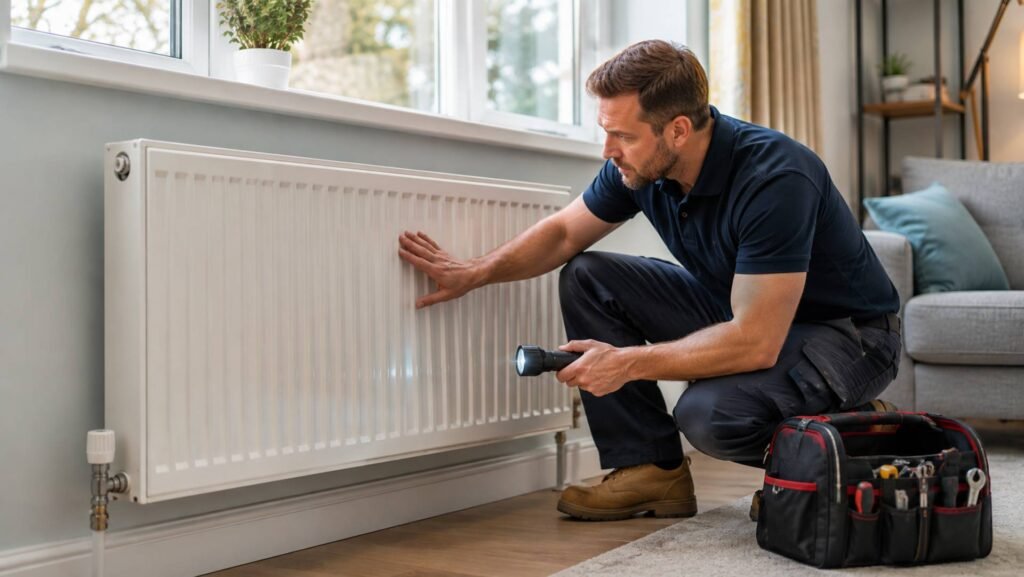
A cold radiator does not always mean an expensive heating-system failure. Its temperature pattern, position and controls can reveal the likely cause. This practical room-by-room checklist helps you investigate common problems safely, decide what you can correct yourself and recognise when professional assistance is the sensible next step.
Few heating problems are more frustrating than entering one cold room while the rest of the house feels comfortable. If you have a radiator not working, a quick, organised inspection can often reveal whether the cause is trapped air, a closed valve, poor water circulation or accumulated sludge. Checking every room also helps you establish whether the fault affects one radiator or the entire central heating system. Before adjusting anything, switch the heating on and allow sufficient time for the radiators to warm up. Then follow this checklist carefully, noting where each radiator feels hot, warm or completely cold throughout the property.
1. Begin with a Whole-House Heating Check
Confirm that the boiler is operating and that the thermostat is set above the current room temperature. Check the timer or programmer as well, particularly after a power cut or seasonal clock change.
Walk through the property and touch each radiator carefully. If every radiator is cold, the problem is more likely to involve the boiler, thermostat, system pressure or heating controls. If only one room is affected, the fault is probably local to that radiator.
Never remove the boiler casing or attempt to repair gas components. Boiler faults require a suitably qualified heating professional.
2. Inspect the Living Room Radiator
Living rooms often contain large radiators that make temperature differences easier to identify. Feel the radiator across its top, centre and bottom without touching exposed pipework.
A cold top with a warmer bottom usually indicates trapped air. Once the heating has cooled, the radiator can be bled carefully using a radiator key. Hold a cloth beneath the bleed valve, open it slowly and close it when the hissing stops and water begins to appear.
A cold bottom with a warm top can suggest sludge or debris. Bleeding will not remove this material. Professional cleaning or power flushing may be necessary.
3. Check Bedroom Controls and Valves
Bedroom radiators are commonly controlled by thermostatic radiator valves, or TRVs. Ensure the numbered control has not been turned to zero or the frost-protection setting.
If the radiator remains cold after the valve is opened, the internal pin may be stuck. Do not use excessive force or dismantle the valve. A leaking, damaged or immovable valve should be inspected by a professional.
Curtains, beds and large furniture can also restrict warm-air circulation. Leave a reasonable gap around the radiator so heat can move freely into the room.
4. Examine the Bathroom Radiator or Towel Rail
Bathroom radiators and heated towel rails can appear cooler when covered with several damp towels. Remove them temporarily and check whether the appliance warms evenly.
If you find the bathroom radiator not working while nearby radiators heat normally, inspect its valves and check for trapped air. Some towel rails collect air near the top and may need bleeding more frequently.
Moisture can cause corrosion around valves and connections. Do not tighten a leaking fitting blindly, as this could worsen the problem. Turn off the heating and arrange professional advice if water is escaping.
5. Assess Hallways and Radiators Furthest from the Boiler
A hallway, loft-room or extension radiator may be the last unit on the heating circuit. If it warms slowly while radiators close to the boiler become very hot, the system may require balancing.
Balancing adjusts the flow through each radiator so hot water is distributed more evenly. It involves careful changes to lockshield valves and repeated temperature checks. Although experienced householders may understand the process, uncertain adjustments can reduce performance elsewhere. Professional balancing is safer when several rooms are affected.
6. Know When to Call a Plumber
Arrange expert assistance if the boiler repeatedly loses pressure, several radiators remain cold, valves leak or unusual banging and gurgling continue after bleeding. Persistent cold patches, discoloured bleed water and recurring circulation problems may indicate internal corrosion or sludge.
Stop immediately if you notice significant leakage, damage to pipework or a problem involving the boiler. A professional can test circulation, inspect valves and determine whether system cleaning, repair or radiator replacement is appropriate.
Conclusion
A systematic room-by-room inspection can separate a simple local fault from a wider central heating problem. Start with the boiler settings and thermostat, then compare every radiator. Look for recognisable temperature patterns, check that valves are open and remove anything obstructing heat circulation. Trapped air may be corrected through careful bleeding, while cold lower sections can indicate sludge that requires professional attention.
Avoid forcing valves, opening the boiler or attempting unfamiliar repairs. Leaks, repeated pressure loss, persistent noises and several cold radiators should always be assessed by a qualified heating professional. By recording what you discover in each room, you can give the plumber useful information and reduce diagnostic time. Most importantly, responding promptly to a radiator not working helps restore balanced warmth, protect heating efficiency and prevent a minor circulation issue from developing into a more disruptive fault.