Event Swag That Survives: What Attendees Actually Keep After a Conference
Most conference freebies end up in the bin within days. A few items survive and get used for months. This article looks at the swag attendees actually keep, why practical pieces win and how reusable bags stand out as lasting brand carriers long after the event ends.
Conference bags overflow with pens, notebooks, badges and assorted giveaways. Within a week most of it disappears into drawers or recycling bins. The items that survive share a few clear traits: they are useful every day, built to last and pleasant to carry. Attendees keep what fits naturally into their routine. Printed tote bags regularly top that list because they move from the conference floor straight into shops, offices and daily travel. Choosing swag that people genuinely want to reuse turns a short event into ongoing visibility. Understanding what lasts helps organisers spend wisely and leave a stronger impression.
Why Most Freebies Fail to Survive
Many promotional items look appealing on the stand yet offer little lasting value. Cheap pens run out quickly. Notepads sit unused once the conference notes are transferred. Plastic gadgets break or feel low quality. When an item has no clear role in everyday life it is easy to discard. Space at home or in a bag is limited, so anything that feels temporary gets left behind. The result is wasted budget and minimal long-term brand exposure.
What Makes Swag Worth Keeping
Items that stay in circulation meet three practical tests. First, they solve a real need. Second, they feel solid enough for repeated use. Third, they look good enough that people are happy to be seen with them. Quality materials and thoughtful design matter more than novelty. A well-made bag or bottle becomes part of someone’s routine rather than a temporary souvenir.
1. Everyday Usefulness Wins
The strongest keepers are things people reach for regularly. A sturdy bag that carries shopping, a laptop or gym kit earns its place. Water bottles that seal properly and clean easily get refilled daily. Items that only work at the event itself rarely last beyond the closing session.
2. Durability Matters More Than Flash
Attendees notice quality quickly. Thin fabric tears. Flimsy handles snap. Print that fades after a few washes loses its appeal. Materials that hold shape and colour through repeated use keep the brand visible for months. Investing in better construction pays back in longer exposure.
3. Design That Feels Personal Yet Practical
Overly corporate or cluttered designs can put people off. Clean layouts, useful sizes and colours that work with everyday outfits encourage continued use. When the item feels like something the attendee would choose themselves, it stays out of the cupboard.
The Quiet Strength of Printed Tote Bags
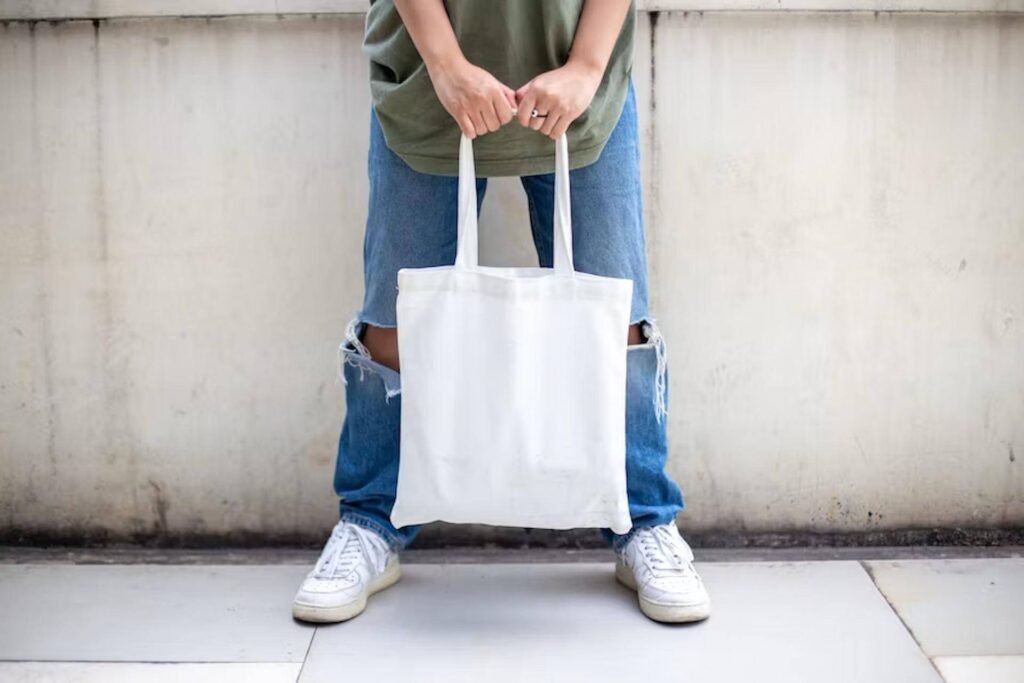
Among all conference giveaways, printed tote bags consistently earn long-term places in people’s lives. Cotton versions are light yet strong enough for weekly shopping or work materials. They fold flat when not needed and look presentable in most settings. Branding sits on a surface that is seen by others repeatedly, turning each trip into free visibility. Because they replace single-use carriers, they also align with the growing preference for reusable options. Organisers who select well-made printed tote bags give attendees something practical that continues working long after the name badges are forgotten.
How Design Influences Whether Swag Is Kept
Design decisions shape survival rates more than many organisers realise. Busy logos, heavy text blocks or colours that clash with common clothing reduce the chance an item will be carried in public. Simple, balanced artwork that leaves breathing space around the brand tends to fare better. Size and proportion also matter. A bag that is too small for typical loads or too large for comfortable daily use often ends up unused. Matching the visual style to the audience’s everyday world, rather than forcing a pure marketing message, increases the likelihood the piece becomes a regular companion.
Planning Distribution for Maximum Impact
Even the best item fails if it reaches the wrong hands or arrives at the wrong moment. Handing out high-quality pieces early in the event, when bags are still empty and interest is high, improves the chance they will be used rather than abandoned. Targeting attendees most likely to value practicality—frequent travellers, parents or professionals who carry work materials—raises retention. Avoiding last-minute distribution rushes prevents people from treating the item as just another piece of clutter. Thoughtful placement and timing turn a good product into one that is actually kept and carried.
Expert Insights on Lasting Promotional Value
Industry observers note that the cost per impression drops sharply once an item is used beyond the first week. A bag carried twice a week for six months delivers far more exposure than a pile of pens left in a hotel room. Specialists also highlight that sustainability messaging works best when the product itself is genuinely reusable. Matching the item to the audience’s lifestyle increases the chance it will be kept. Clear branding without overcrowding the surface helps the message remain readable over time.
Practical Tips for Choosing Swag That Lasts
Start by listing what attendees already carry or need. Focus the budget on fewer, better items rather than a wide scatter of low-value pieces. Test samples for comfort, capacity and print durability. Consider how the item will look six months later after regular handling. Align the design with the event theme while keeping it versatile enough for daily life. Confirm that production standards meet expectations for strength and colour fastness. Finally, plan distribution so the best pieces reach the people most likely to use them.
Building Brand Memory That Outlasts the Event
Conference swag succeeds when it becomes part of everyday life rather than a temporary reminder of a single day. Attendees keep what is useful, durable and pleasant to carry. Printed tote bags meet those criteria more consistently than most alternatives, offering repeated brand exposure long after the conference closes. By focusing on practicality, solid materials and clean design, organisers turn a routine giveaway into lasting visibility. The items that survive are the ones that earn their place through genuine usefulness. Choosing carefully means the investment continues working for months, turning a short event into ongoing recognition that feels natural rather than forced.